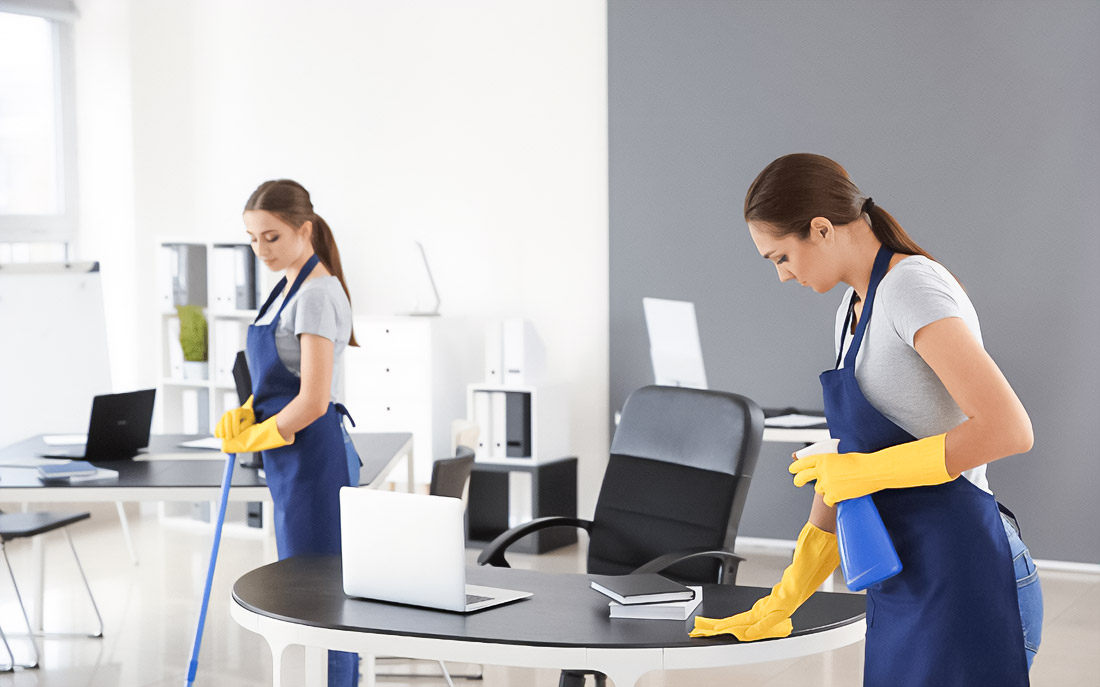
The musty smell in English offices does not form spontaneously. It appears as a result of a combination of climatic conditions, structural solutions and operating conditions of buildings. Most often, the problem becomes noticeable during the cold period, when there is practically no natural ventilation, and ventilation systems operate continuously.
The English climate is characterized by consistently high humidity and frequent precipitation. Moisture regularly enters office buildings through the entrance areas, employee clothing, and engineering systems. With reduced air exchange, this moisture is not completely removed and begins to accumulate in the ducts, filters and hidden cavities. In such conditions, microbial growth can begin within 24–48 hours after the appearance of a stable moist environment.
Since people spend more than ninety percent of their time indoors, changes in air quality quickly become noticeable. The odor is detected before pronounced physiological symptoms appear. From a practical point of view, it is an early signal of operational deviations.
The Role Of Ventilation Systems In The Formation Of Odors
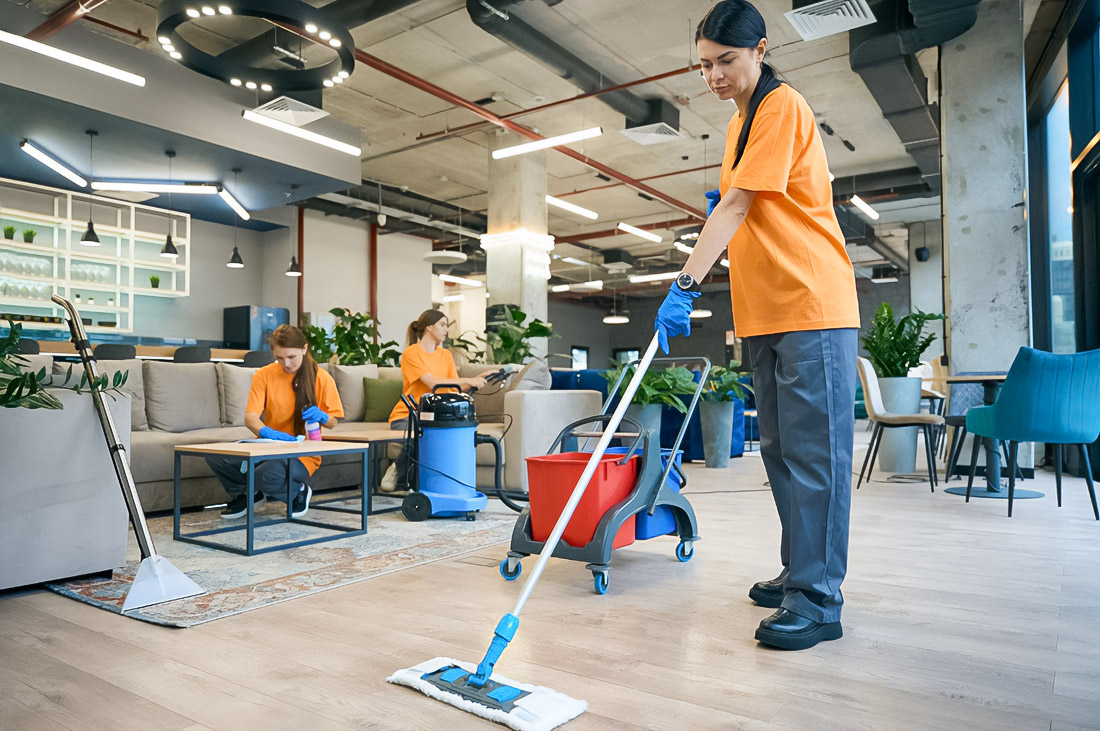
A significant part of office buildings in England use ventilation and HVAC systems designed for long-term operation. Without regular deep commercial cleaning, dust, organic particles, insulation fibers, and moisture gradually accumulate inside such systems. In winter, when the air flow rate decreases, these deposits settle more actively.
Dust acts as a storage device. It retains odors and microbial particles, and when the heating is started, it returns them back to the work areas. As a result, ventilation ceases to perform the function of air renewal and begins to work as a pollution distribution channel. This is especially noticeable in recirculating systems, where the air is not completely removed, but moves between rooms.
The smell is not permanent in such conditions. It increases when the system is turned on, weakens when ventilated, and then returns. This makes it difficult to identify the source and creates the false impression that the problem is solely due to a lack of fresh air.
Humidity, Hidden Zones, And Microbial Contamination
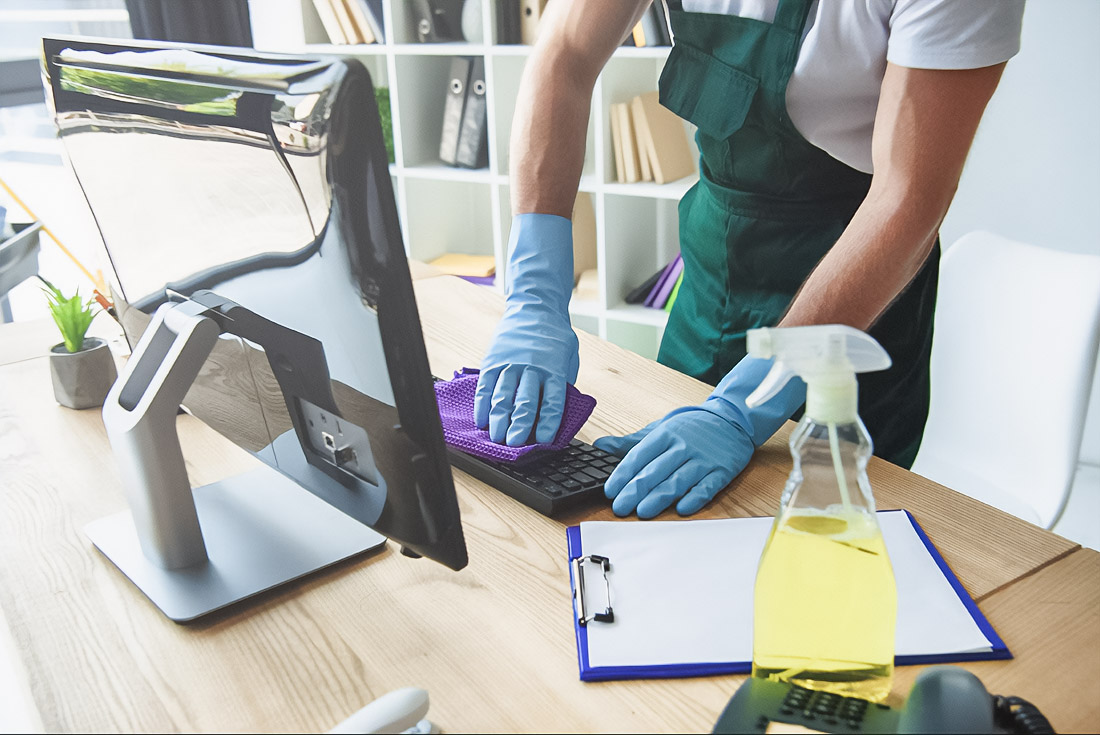
Most persistent office odors are of microbial origin. Bacteria and mold in the process of vital activity emit volatile compounds that easily spread through the air. For their development, moisture and stable temperature are necessary, which is typical for the interior areas of office buildings.
Hidden spaces pose the greatest risk. Ducts, areas above suspended ceilings, pipe insulation, and areas under floor coverings are rarely regularly inspected. Even minor condensation or micro-leakage can trigger a contamination process that remains unnoticeable for a long time.
In such cases, ventilation does not eliminate the problem. It supports the circulation of polluted air, spreading odors through the floors and functional areas. The actual source remains out of sight.
Soft Materials, Air Quality, And Operational Impacts

Carpets, upholstered furniture and fabric partitions are widely used in offices in England. These materials effectively absorb sound, but at the same time retain dust, allergens and microbial particles. Odors are fixed inside the structure of the material and return to the air during operation.
In winter, the influence of these factors increases. Complaints of fatigue, decreased concentration, and discomfort are becoming more frequent. Polluted ventilation systems require more energy consumption to move the air. Clogged filters and narrowed air ducts increase the load on the equipment and accelerate its wear.
Regular ventilation cleaning, humidity control and systematic work with soft materials can reduce these risks. The musty smell in the office is not a subjective perception problem. It reflects the condition of the air, engineering systems, and the quality of the building’s operation.

Baseball fan, mother of 2, DJ, vintage furniture lover and creative consultant. Making at the intersection of art and programing to craft experiences both online and in real life. I’m a designer and this is my work.